Let's name what's actually happening
Divorce is a rupture. You're grieving a version of your life, your body's muscle memory of touch, the rhythm of shared intimacy. And then suddenly you're alone with your own pleasure for the first time in years. Maybe decades. That's not a blank slate. That's complicated terrain, and your nervous system knows it.
Rediscovering pleasure after divorce isn't just about finding the right clitoral vibrator. It's about renegotiating your relationship with your own body when that body has been holding stress, disappointment, and the physical memory of someone else's expectations. A lemon vibrator can be part of that reckoning. But first, you need permission.
Why pleasure feels different now
After divorce, three things are competing in your nervous system at once. First, grief. Your body misses the architecture of a long-term partnership, even when that partnership was harming you. Second, freedom. You don't have to perform, check in, negotiate, or worry about someone else's timing. Third, fear. What if you don't remember how to want things for yourself?
All three are real. And all three will show up the first time you reach for a lemon clitoral vibrator alone.
Your nervous system needs to know it's safe to feel good right now. That's not selfish. That's repair. When you spend years managing someone else's emotions or navigating a relationship that slowly dimmed your own desire, solo exploration isn't indulgent. It's medicine.
Start with permission, not sensation
Before you touch a lem vibrator, sit with this: you don't owe anyone pleasure right now. Not a future partner. Not your therapist. Not the version of yourself that might resurface later. Your pleasure is for you, full stop.
Many people newly out of long-term relationships report anxiety the moment they touch themselves. That's normal. The anxiety isn't a sign you're doing it wrong. It's your nervous system flagging that this feels unfamiliar or unsafe, even though logically you know you're alone.
So start there. Lie down. Notice what your body is holding. Maybe it's tension in your shoulders. Maybe it's numbness. Maybe it's anger. Don't try to fix it. Just witness it. This first step has nothing to do with orgasm.
When you're ready, add touch. Nothing goal-oriented. Just your hand on your own skin, reminding your body that touch can mean comfort, not demand. Spend three to five minutes here. Several times. Before any toy enters the picture.
When you're ready for a lemon vibrator
A lemon clitoral vibrator is different from partnered sex in one crucial way: it's entirely under your control. The intensity, the rhythm, the duration, when you start, when you stop. That control is actually the healing part.
Choose a time when you have at least 20 uninterrupted minutes and your nervous system is relatively calm. Not when you're wound up from work or scrolling angry at your ex. Not when you're exhausted. Mid-afternoon or early evening often works better than late night for newly single folks because the stakes feel lower.
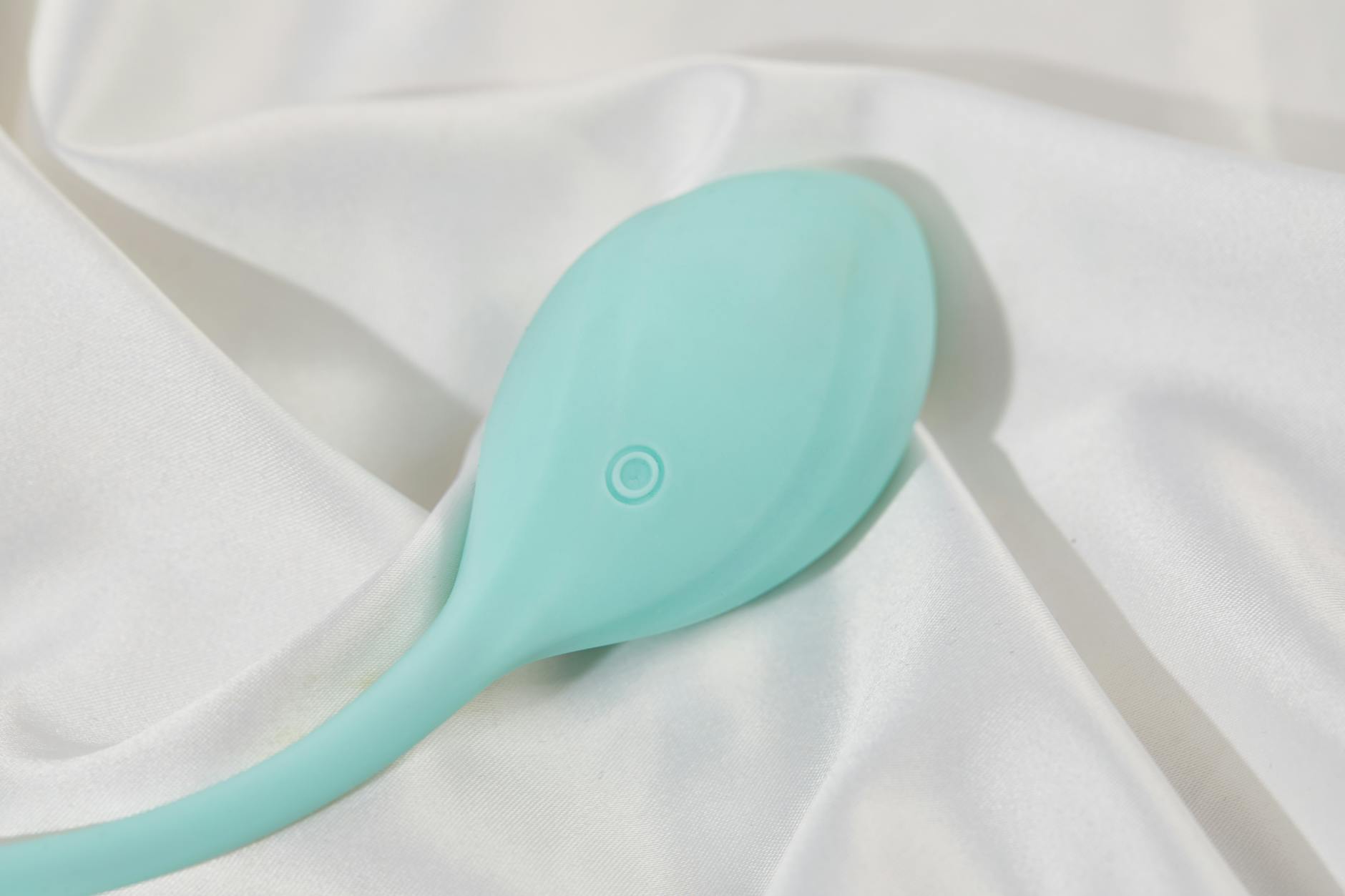
Start with your lemon clitoral vibrator on the lowest setting. Suction-based devices like the Lem vibrator engage nerves without the friction that can feel too intense or aggressive when you're rebuilding trust with your own body. The suction rhythm gives your brain a pattern to follow. It's not the chaotic intensity of vibration. It's predictable. That predictability is grounding.
Approach your clitoris slowly. Many people skip the warm-up entirely because they're rushing to sensation. That's a setup. Spend five to seven minutes touching yourself without the toy. Stroke your inner thighs. Trace your labia. Let your body remember that touch is safe and doesn't have to lead anywhere. This isn't foreplay to an orgasm. It's a conversation with yourself.
When you introduce your lem vibrator, start at the outer edges of the clitoris, not directly on it. The suction pattern will draw the clitoris gently into the chamber. That gentleness matters when you're relearning what pleasure is yours.
What to do if it doesn't feel good
Here's the thing no one tells you: it might not work the first time. Or the fifth. That doesn't mean you're broken. It means your body is in a different state than it was before.
If numbness shows up, you're not alone. Divorce stress, grief, and sometimes antidepressants prescribed during the process can all blunt sensation. If that happens, step back. Put the lemon adult toy down. Breathe. Notice what your nervous system is doing. Is there tension? Are you holding your breath? Are you trying to force an outcome?
Try again tomorrow. Or in a week. There's no deadline. The goal isn't to have an orgasm on schedule. The goal is to teach your body that it's safe to experience its own pleasure without conditions attached.
If the sensation feels too intense even on the lowest setting, you might want to explore different intensity levels or take longer breaks between sessions. Some people find that a few nights of low-pressure solo touch (no toy) before introducing clitoral vibrators makes a difference.
Building a ritual, not a chore
One of the biggest shifts after divorce is learning to do things for yourself without guilt or performance pressure. When solo pleasure becomes a ritual rather than a goal, something changes. It stops being something you're "supposed" to do and starts being something you want to do.
Maybe you light a candle. Maybe you put your phone in another room. Maybe you play the same song three times so your brain starts to associate it with your own touch. These rituals aren't frivolous. They're signals to your nervous system that you're creating a container of care for yourself.
If you have a partner later, this knowledge you're building right now is yours to keep. You'll know what your body needs. You'll know what your clitoris responds to. You'll know that your pleasure isn't dependent on someone else's presence or skill. That's power.
If anxiety spirals
Sometimes mid-exploration, a thought will surface: "What am I doing?" or "Is this healthy?" or "I should be past this by now." Your nervous system is trying to pull you back into familiar territory, even if that territory was painful.
Notice the thought. Don't fight it. Keep breathing. Most of the time, the anxiety passes in 30 seconds if you don't engage with it. You're not broken for having it. You're human.
If the anxiety is stronger, or if you're noticing that stress is consistently interfering with arousal, it might be worth talking to a therapist who specializes in sex and relationships. That's not weakness. That's resource-gathering.
The bigger picture
Using a lemon clitoral vibrator after divorce isn't about replacing partnership. It's about remembering that your pleasure is intrinsic to you, not dependent on someone else's presence or approval.
Many of my clients report that solo exploration after divorce fundamentally changes how they show up in future relationships. They know what they want. They're not performing. They're not managing. They're choosing. When you build that foundation for yourself, the quality of connection that follows is entirely different.
Your body is worth time. Your pleasure is worth attention. A lem vibrator can be a tool in that reckoning, but the real work is giving yourself permission to feel good on your own terms. That permission is the whole thing.
FAQ
How long after divorce should I wait before using a lemon vibrator?
There's no timeline. Some people are ready weeks in. Others take months. The marker isn't calendar time. It's whether your nervous system feels safe enough to experience pleasure without it triggering overwhelming grief or anxiety. If you're still in acute crisis, wait. If you're stable and curious, start whenever that happens.
Is using a clitoral vibrator alone a sign I'm not over my marriage?
Absolutely not. Solo pleasure and emotional recovery are separate processes. You can explore your body while still grieving the relationship. One doesn't cancel out the other. In fact, rebuilding your own pleasure often accelerates healing because you're reconnecting with yourself as an individual, separate from the partnership.
Can a lemon sucker toy help if I'm feeling numb or disconnected?
Yes, sometimes. The suction action of a lemon vibrator can wake up sensation in a way that gentle vibration doesn't. But if numbness persists across multiple sessions, it might be worth checking in with a therapist or doctor. Divorce grief, stress, or medication can all blunt sensation, and that's treatable information, not a personal failing.
Should I feel ashamed using a lemon adult toy right after leaving a marriage?
No. There's no shame in choosing your own pleasure. You're not cheating on anyone. You're not betraying a commitment. You're caring for your own nervous system during a major life transition. That's exactly what you should be doing.
What if solo exploration with a clitoral vibrator makes me feel more alone?
That feeling often surfaces when you're grieving partnership and suddenly confronted with your own autonomy. It doesn't mean the exploration is wrong. It means your nervous system is processing change. If loneliness becomes overwhelming, talk to a therapist. Solo pleasure is healthy, and so is acknowledging that you miss connection. Both can be true.
Can using a lem vibrator help me feel more confident with a future partner?
Yes. When you know your own body, when you understand what your clitoris responds to, when you've practiced experiencing pleasure without performance pressure, you bring that knowledge into partnership. You're less dependent on a partner "figuring you out." You're a participant in your own pleasure, not a passenger. That's magnetic.
Moving forward
Divorce is a doorway, even when it doesn't feel like one. On the other side of the immediate grief is a version of yourself that knows her own pleasure, trusts her own touch, and doesn't apologize for wanting to feel good. A lemon vibrator is a tool, but the real work is the permission. Start there. Your body will follow.